

Sarasota is a beautiful place to live, but anyone who has been through a serious rainy season here knows that the area’s drainage infrastructure can get overwhelmed fast. When heavy storms roll through and municipal sewer systems reach capacity, sewage can back up through floor drains, toilets, and sinks in homes. It’s one of the more unpleasant plumbing emergencies a homeowner can face, and it’s entirely preventable with the right equipment in place.
A backwater valve is a device installed in your sewer line that allows wastewater to flow out of your home normally, while automatically blocking any reverse flow from entering. For Sarasota homeowners, particularly those in lower-lying areas near Phillippi Creek, Bowlees Creek, or neighborhoods that experience regular street flooding during storm events, a backwater valve is one of the most practical investments you can make. Choosing the right one for your home requires understanding a few key factors.
What a Backwater Valve Actually Does
Before getting into the selection criteria, it helps to understand exactly how a backwater valve works. The device is installed in your main sewer line, typically in the basement or at ground level where the line exits your home. Inside the valve is a flap or gate mechanism that sits open during normal operation, allowing wastewater to flow freely toward the municipal sewer.
When sewage begins flowing in the wrong direction, the flap closes automatically, sealing the line and preventing contaminated water from entering your home. Once normal flow conditions return, the flap reopens, and the system functions as usual. The whole process happens without any action required from the homeowner.
During our service calls throughout Sarasota, we’ve seen firsthand what happens when homes without backwater valves experience a sewer backup. The cleanup alone is expensive and disruptive, and the health risks posed by raw sewage in a living space are serious. A properly installed backwater valve eliminates that risk.
The Main Types of Backwater Valves
Not all backwater valves are built the same way, and the differences matter when selecting the right one for your specific situation. Here are the primary types you’ll encounter:
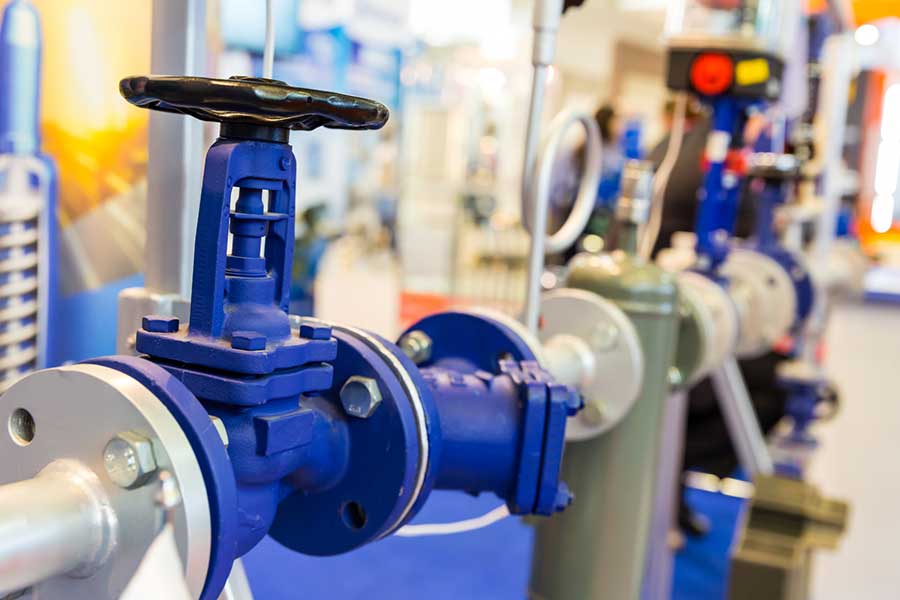
Gate Valves use a sliding gate that drops down to seal the line when backflow occurs. They provide a very solid seal and are well-suited for larger sewer lines. Still, they require periodic manual operation to stay functional and are generally used in commercial settings more than residential ones.
Flap Valves (Check Valves) are the most common type for residential use. A hinged flap inside the valve body swings open during normal outflow. When backflow pressure occurs, the flap swings shut and seals the line. They’re reliable, relatively low maintenance, and available in configurations that fit most residential sewer lines.
Combination Valves incorporate both a flap and a gate mechanism, providing automatic flap response and the option to manually seal the gate for additional security during a known storm event. For Sarasota homeowners who want maximum protection during hurricane season, this type offers the most complete coverage.
Key Factors to Consider When Choosing
Selecting the right backwater valve isn’t a one-size-fits-all decision. The best choice for your home depends on several factors that a qualified plumber should evaluate before making a recommendation.
Pipe Size and Material
Backwater valves are sized to match the diameter of your sewer line, which in most Sarasota homes is either three or four inches. Installing a valve that doesn’t match your line’s specifications creates flow restrictions and sealing problems that defeat the purpose of having one. The material of your existing pipe, whether it’s PVC, cast iron, or clay, also affects which valve body material and connection type is most appropriate.
Location of Installation
Where the valve is installed in your sewer line matters. Ideally, it should be accessible for inspection and maintenance without requiring excavation every time. In Sarasota, where slab foundations are the majority of residential construction, installation typically involves cutting into the slab and accessing the line at a point near where it exits the home. The exact placement affects both the valve’s effectiveness and the ease of future servicing.
Flood Risk Level
The degree of flood risk your property faces should inform the level of robustness you choose for the valve. Homes in higher-risk zones near low-lying areas or with a history of sewer backups benefit from a combination valve with manual override capability. Homes in lower-risk areas where backup is a secondary precaution rather than a regular concern may be well served by a quality residential flap valve.
Maintenance Accessibility
A backwater valve that can’t be easily inspected won’t be maintained. Over time, debris can accumulate on the flap mechanism, so the valve should be checked periodically to ensure it opens and closes properly. Choose a valve with a cleanout access port that allows inspection without fully opening the line, and ensure the installation location allows a service technician to reach it without excessive effort.
What to Ask Your Plumber Before Installation
Before committing to a particular valve or installation approach, there are a few questions worth discussing with your plumbing professional:
- Is my home’s sewer line configuration compatible with a backwater valve, or are there other factors, such as a drain repair issue, that should be addressed first?
- Where is the optimal location in my line for installation, given my foundation type and pipe layout?
- What size and type of valve is appropriate for my household’s water usage and pipe diameter?
- How often should the valve be inspected, and what does that service involve?
- Are there any local permit requirements for installing a backwater valve in Sarasota County?
A plumber who can answer these questions clearly and specifically understands the work involved and can be trusted to do it right.
Backwater Valves and Your Overall Drainage System
A backwater valve is an important layer of protection, but it works best as part of a broader approach to home drainage management. Homes that experience chronic drainage issues, slow floor drains, or recurring wet spots may have underlying problems in their drain lines that a backwater valve won’t address on its own.
A professional camera inspection of your sewer line before installation is a smart step that many homeowners overlook. It gives you a clear picture of what’s happening inside the pipe, whether there’s root intrusion, scale buildup, or a partial blockage that should be resolved before a valve is put in place. Starting with a clean, properly functioning line ensures the valve performs as intended from day one.
For homes with surface water and sewer backup risks, combining a backwater valve with a sump pump system provides comprehensive protection against both groundwater intrusion and sewer backflow. In Sarasota’s storm season, having both systems in place gives homeowners a level of confidence that neither solution provides on its own.
Making the Right Choice for Your Sarasota Home
Choosing the right backwater valve comes down to understanding your home’s specific layout, your property’s flood risk, and the level of protection that makes sense for your situation. It’s not a complicated decision when you have accurate information and professional guidance, but it’s also not one to approach casually. A valve that’s the wrong size, installed in the wrong location, or left unmaintained provides far less protection than it should.
At Next Level Plumbing, we assess each home individually before making any recommendations, because the right solution for a slab-foundation home near Phillippi Creek looks different from the right solution for a newer construction property in a lower-risk area. If you’re ready to protect your home from sewer backups before the next storm season, contact our team today, and let’s find the right fit for your property.