
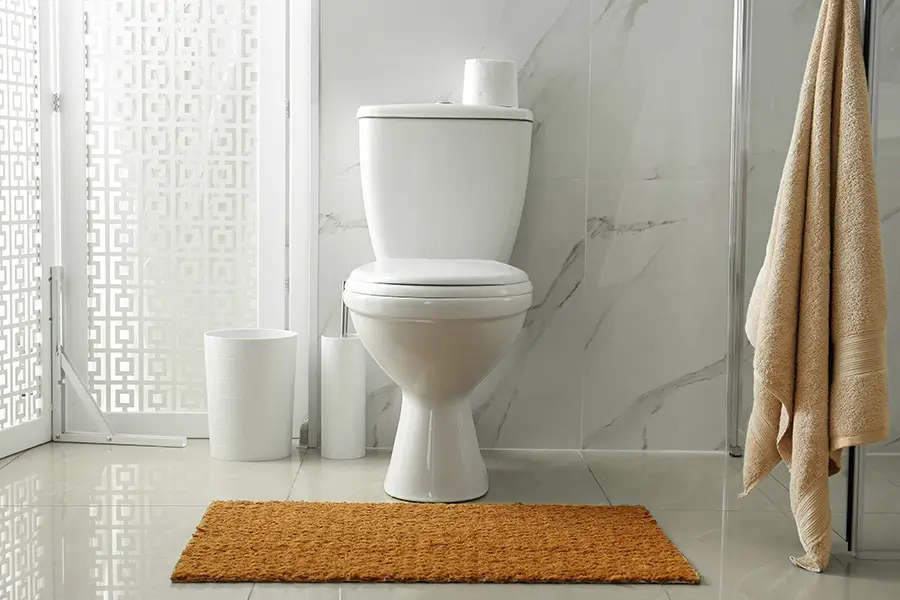
A leaking toilet can lose a significant amount of water in very little time, and some of these leaks are not immediately noticeable because they occur under the flooring. Our trusted plumbers in North Port, FL, at Next Level Plumbing, have several tips for how to tell if a toilet is leaking under the tile.
Keep reading to learn more about spotting this problem that can lead to significant damage to your home.
Is Your Toilet Leaking Under the Tile? Here’s How to Know Before It Gets Worse in North Port, FL
Most toilet leaks don’t announce themselves. There’s no burst pipe, no flood, no obvious sign that anything is wrong. Just slow, silent water damage spreading beneath your floor while everyday life goes on above it. By the time North Port homeowners call us, the leak has often been active for weeks, sometimes months, eating away at subfloor wood, loosening tile grout, and creating the exact conditions mold needs to thrive.
The tricky part is that leaks under tile look like a dozen other things: a strange smell, a soft spot near the toilet, staining you keep cleaning that keeps coming back. If any of those sound familiar, this is worth reading before you write it off as nothing. Our team provides North Port plumbing services and we see this exact situation more often than most homeowners expect.
The 6 Warning Signs North Port Plumbers Actually Look For
1. Water Keeps Appearing on the Floor, Even After You Wipe It Up
This is the one most people notice first and dismiss too quickly. A little moisture near the toilet base gets wiped away, life moves on, and a few days later it’s back.
That pattern matters. A one-time wet floor near a toilet could be a splash, a leaking window, or condensation. Water that keeps returning to the same spot near the base, with no obvious cause, is the toilet telling you something is wrong underneath it.
In homes near the Cocoplum Waterway and throughout the Sumter Boulevard corridor, we see this frequently. The tile surface looks fine. The grout looks intact. But underneath, water has been migrating outward from a failing wax ring seal with every single flush.
2. You Hear Sounds That Shouldn’t Be Coming From the Base
A gurgling or trickling sound that seems to come from the bottom of the toilet rather than the tank is not normal. Neither is a toilet that keeps running long after the flush cycle should have ended.
These sounds often point to a failing seal between the toilet and the drain flange, or an internal leak in the bowl itself. What makes them worth taking seriously is that water following sound is water going somewhere it should not be. In most cases, that somewhere is under your floor.
3. Your Bathroom Smells Musty and Cleaning Doesn’t Fix It
A clean bathroom should not smell damp. When it does, and scrubbing the toilet, mopping the floor, and running the fan make no lasting difference, the odor is almost certainly coming from somewhere you cannot reach with a mop.
According to the U.S. Environmental Protection Agency, mold can begin growing on wet building materials within 24 to 48 hours. A toilet that leaks with every flush is giving that moisture a constant supply. North Port’s humid subtropical climate makes the problem worse, since the air inside walls and under floors rarely fully dries out between events.
A persistent bathroom odor that comes back after cleaning is one of the clearest signals that something is wrong beneath the surface.
4. There’s Staining at the Base That Keeps Coming Back
Brown or yellowish staining where the toilet meets the floor is easy to assume is a cleaning issue. But staining that returns shortly after being scrubbed away is a different story.
When water escapes from beneath the fixture with each flush, it carries minerals and organic debris along with it. Those deposits leave stains that no cleaner fully removes, because the source is still active underneath. Based on what we see in North Port properties, this type of recurring staining at the toilet base is one of the most reliable visual indicators that a wax ring has failed.
5. The Grout Near the Toilet Is Crumbling or Coming Loose
Grout is not supposed to crumble on its own. When it does, especially in a localized area around the toilet, it usually means the material beneath it has been compromised by moisture.
Sub-tile leaks weaken the bond between the grout and the substrate from underneath, which is why the damage can be significant before it becomes visible from above. Our leak repair and detection services include pinpointing the exact source before any flooring work begins, so repairs address the actual problem rather than just the surface damage.
The Water Research Foundation has documented that toilet leaks are among the most common sources of undetected residential water waste, often going unnoticed precisely because the damage hides below finished flooring.
6. The Floor Feels Soft, Springy, or Sounds Hollow
This is the sign that tells you the damage has already gone deep. A floor that flexes slightly when you step near the toilet, produces new creaking sounds, or feels different underfoot than it used to is showing signs of subfloor rot.
Wood subfloor that has been exposed to persistent moisture softens and deteriorates. NOAA climate data for southwest Florida shows that North Port already experiences some of the highest annual rainfall and humidity levels in the country. Add a slow toilet leak on top of that, and subfloor materials that were never designed for sustained moisture exposure will break down faster than most homeowners expect.
When the flooring itself starts to feel compromised, prompt action is critical. Depending on what the inspection reveals, toilet repair and installation may be required alongside subfloor remediation to fully resolve the issue.
Why This Kind of Leak Is Easy to Miss and Expensive to Ignore
Most homeowners who call us about a leak under the tile did not ignore the signs on purpose. The signs just looked like smaller, unrelated problems. A smell. A stain. A soft step near the toilet. None of those feel like emergencies on their own.
But a wax ring leak or a cracked flange does not heal itself. Every flush pushes more water into the subfloor. Every week of delay means more rot, more mold risk, and a higher likelihood that the repair involves replacing flooring and structural material on top of the plumbing fix.
Catching it early, when the only repair needed is the toilet itself, is almost always significantly cheaper than catching it late.
Getting Answers Before the Damage Gets Worse
At Next Level Plumbing, we work with homeowners throughout North Port and the broader Sarasota and Manatee County area. When something feels off with a toilet, whether it is the sounds, the smells, the floor, or the staining, our technicians are trained to find the source quickly and explain exactly what needs to happen to fix it.
We use advanced leak detection methods that locate the problem without unnecessary demolition, and we give you a clear picture of what the repair involves before any work begins.
If anything in this article sounds like what you are dealing with at home, do not wait for the floor to cave in to confirm it. Contact our team today to schedule a professional inspection and find out what is actually going on under your tile.