



Faucet issues can be a real hassle, especially in Sarasota’s warm climate. Whether you’re dealing with a leaky faucet, low water pressure, or annoying noises, troubleshooting these problems can save you time and money. Knowing how to identify the symptoms and tackle them effectively is key. Let’s explore the most common faucet problems and how you can address them, starting with those pesky leaks that often go unnoticed.
Identifying Leaky Faucets and Their Causes
Have you noticed water pooling around your sink or a constant dripping sound? These signs usually mean you have a leaky faucet.
Start by examining the faucet itself. If it drips when you turn it off, the issue may lie in the washer or O-ring, which can wear out over time. If you notice water pooling, inspect the base and the connections for leaks.
Sometimes, the problem stems from corrosion in the faucet body or loose fittings. Don’t forget to check the water supply lines beneath the sink, as they can also contribute to leaks.
Identifying the source of the problem early can save you from more extensive repairs down the line. Remember, a small drip might seem minor, but it can waste a significant amount of water over time. Professional assessment can provide expert solutions to ensure your faucet is functioning optimally.
Keeping an eye on these signs will help you maintain your faucet and prevent future issues.
Repairing Dripping Faucets: A Step-by-Step Guide
Repairing a dripping faucet can be straightforward, save money on water bills, and prevent further damage.
First, turn off the faucet’s water supply. Then, plug the drain to prevent the loss of small parts.
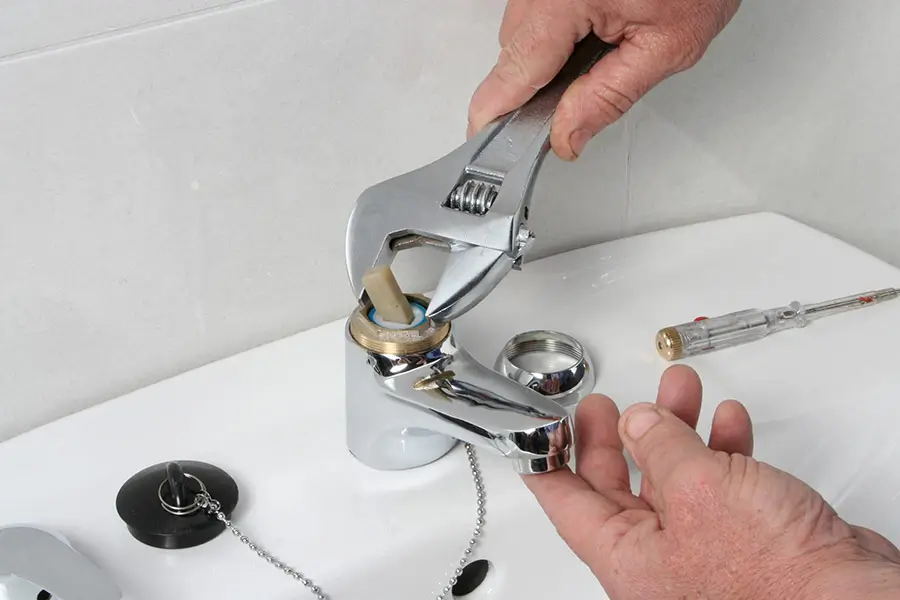
Next, remove the handle by unscrewing it; you should pry off a decorative cap first. Once the handle is off, take out the packing nut with a wrench.
Inspect the washer or O-ring for wear and tear. If it’s damaged, replace it with a new one of the same size.
Reassemble the faucet by reversing the steps, making sure everything is tightened securely.
Finally, turn the water supply back on and check for leaks. If the drip persists, you may need to call a professional. Toilet repair and installation services provided by Next Level Plumbing in Sarasota, FL, can guarantee a proper fix and peace of mind.
For expert help, consider contacting Next Level Plumbing in Sarasota, FL, to guarantee a proper fix and peace of mind.
Dealing With Low Water Pressure Issues
When low water pressure strikes, it can be frustrating and make simple tasks like showering or washing dishes feel like a chore.
Fortunately, you can take a few steps to identify and resolve the issue.
- Check if other faucets in your home have low pressure.
- Inspect the aerator for clogs or mineral buildup.
- Verify the shut-off valves are fully open.
- Look for leaks in visible pipes or connections.
- Contact a professional if the problem persists.
If you find that your faucet still isn’t performing well, it might be time to call in the experts at Next Level Plumbing. They utilize advanced technology to diagnose the issue quickly and provide transparent solutions, guaranteeing you get back to enjoying peak water pressure in no time.
Fixing Noisy Faucets: Common Solutions
If you’re tired of your faucet making annoying noises every time you turn it on, you’re not alone. Noisy faucets can disrupt your peace, but there are common solutions you can try.
First, check for loose parts. Tighten any screws or nuts, as a simple adjustment can often eliminate rattling sounds.
Next, inspect the aerator for debris. A clogged aerator can cause water to flow unevenly, leading to noise. Remove it, clean it, and reattach it.
If the noise persists, consider adjusting the water pressure. High pressure can create a whining sound; installing a pressure regulator can help.
Finally, check your pipes. Loose or improperly secured pipes can vibrate, causing noise. Secure them with clamps to reduce movement. Additionally, if you encounter persistent problems, it may be beneficial to consult a professional for garbage disposal repair to ensure all plumbing components are functioning optimally.
Replacing Faucet Parts: When to DIY and When to Call a Professional
Have you ever wondered whether you should tackle faucet repairs yourself or call in a professional? Knowing when to DIY can save you time and money, but some situations call for expertise.
Here are some guidelines to help you decide:
- Simple repairs: If you’re replacing a washer or O-ring, you can likely handle it yourself.
- Specialized parts: When dealing with cartridge or valve replacements, consider your comfort level.
- Persistent issues: If your faucet continues leaking after your repairs, it’s time to call a pro.
- Complex systems: For faucets with built-in filtration or advanced features, don’t hesitate to seek help.
- Time constraints: If you’re busy, hiring a professional saves you the hassle of troubleshooting.
At Next Level Plumbing, our experts can guarantee your faucet gets the care it needs, so you can enjoy peace of mind.
Conclusion
So, you’ve bravely tackled your faucet woes, only to discover that plumbing isn’t quite the glamorous adventure you envisioned. But hey, if you can fix a leaky faucet and still keep your sanity, you deserve a medal—or at least a pat on the back! Remember, calling in a professional is perfectly acceptable when your DIY skills start looking more like DIY disasters. After all, some battles are just too slippery to win alone!