
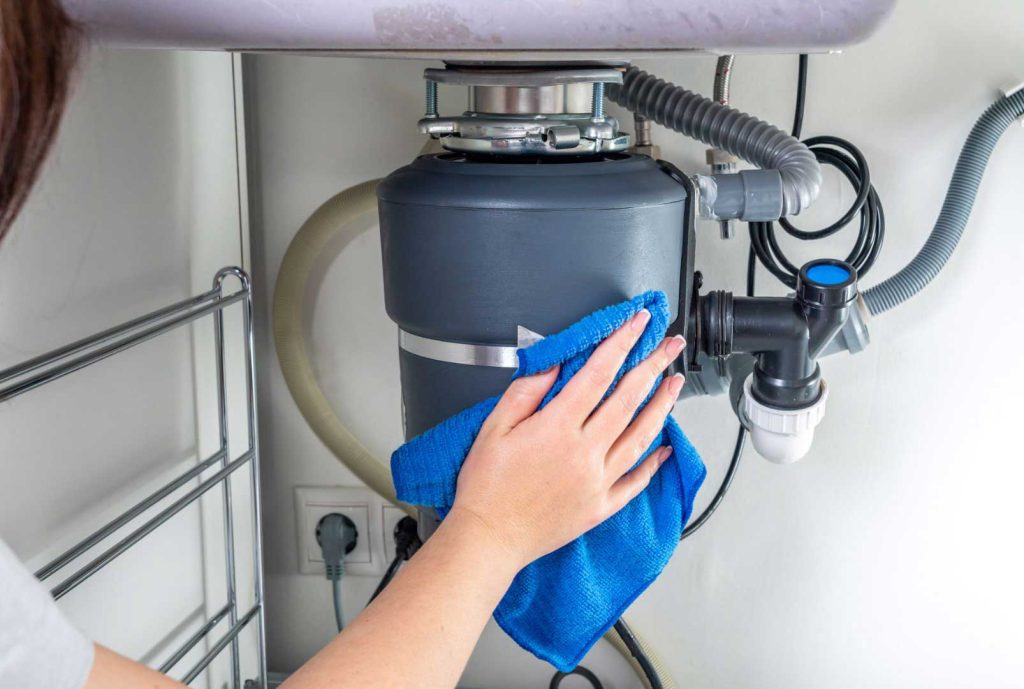
A garbage disposal is one of the hardest working appliances in a Sarasota kitchen and one of the least understood. Most homeowners treat it as a hole in the sink that handles anything, and for a while it does. The damage builds quietly in the drain line downstream, and the failure arrives later as a backed up sink, a leaking trap, or a motor that will not restart.
In our service calls throughout Sarasota, disposal related problems spike in two predictable windows: the winter season, when households double in size and kitchens run constantly, and the stretch of holiday cooking that puts more waste through a unit in a week than it normally handles in a month. Homes in areas like Gulf Gate and Bee Ridge add another wrinkle, since older drain lines behind those kitchens are less forgiving of what a disposal sends into them.
The mistakes below account for most of the kitchen plumbing repairs we handle, and every one of them is avoidable. For a broader look at the work we do locally, our Sarasota plumbing services page covers the full range.
1. Overloading the Disposal
The most common mistake is treating the disposal as a trash can and filling it before turning it on.
A residential disposal is designed to grind a small volume of waste while water carries it away continuously. When the chamber is packed full before the motor starts, the grinding plate has to move through a solid mass rather than loose material. That causes a few things at once:
- Motor strain. The unit draws far more current than it was designed for, which shortens the life of the motor and trips the reset breaker repeatedly.
- Jamming. Impellers bind against compacted waste, and repeated jams wear the shaft and bearings.
- Downstream loading. Even when the unit clears the load, it pushes a large slug of ground waste into the drain line all at once instead of a steady, diluted flow.
That last point is where most of the actual plumbing damage originates. The disposal usually survives the abuse. The drain line does not.
Feeding waste gradually while the unit is already running produces a completely different result. Smaller amounts grind finer, move farther down the line before settling, and never overwhelm the motor.
2. Putting the Wrong Material Down the Drain
Non-food items are the obvious offender. Plastic, twist ties, glass, bottle caps, and metal utensils do not break down, and they damage the grinding components directly. Paper products including napkins and paper towels expand once wet and form blockages quickly.
The less obvious problem is food waste that is technically food but behaves badly in a drain line:
- Grease, oil, and fat pour in as liquid and solidify on the pipe wall as they cool. Every subsequent bit of debris sticks to that layer. This is the single largest contributor to the kitchen drain blockages we clear.
- Coffee grounds do not dissolve. They settle in low points of the line and pack into a dense sludge.
- Eggshells grind into fine granules that bind with grease into a concrete-like buildup.
- Fibrous vegetables such as celery, artichoke, corn husks, and onion skins wrap around the impellers rather than breaking apart.
- Starchy foods including pasta, rice, and potato peels swell with water and form a paste that coats the line.
Based on what we see in Sarasota properties, the combination of grease and coffee grounds is responsible for more kitchen line blockages than everything else put together. Neither one causes an immediate problem, which is exactly why the habit persists until the sink stops draining.
When buildup has already accumulated in the line, chemical products and plunging will not remove it. Restoring the pipe to full diameter requires drain cleaning and hydro jetting, which scours the interior wall rather than punching a narrow channel through the obstruction.
3. Treating the Disposal as Maintenance Free
Disposals are installed and then generally forgotten until they fail. The unit gives warnings first, and those warnings are worth knowing.
Pay attention to:
- A change in sound. Grinding that becomes louder, rougher, or higher pitched indicates worn components or debris lodged in the chamber.
- A humming with no rotation. The motor is energized but the plate is seized. Continuing to hit the switch burns out the motor.
- Persistent odor. A smell that returns immediately after cleaning means residue is accumulating somewhere the water is not reaching, often in the drain line rather than the unit.
- Slow drainage at the sink. The disposal is working, but what it produces is no longer moving through the line efficiently.
- Moisture under the cabinet. Disposals leak at the sink flange, the dishwasher inlet, and the housing seam. Each points to a different repair.
The popular home remedies deserve a note here. Ice cubes and citrus peels do very little beyond dislodging loose surface debris. Baking soda and vinegar produce visible fizzing without the volume or force to move the grease layer that causes real blockages. Neither addresses buildup in the line, and neither is a substitute for having the unit and drain evaluated when symptoms appear.
Warning signs that persist after basic cleaning usually mean the issue has moved beyond the unit itself. Our garbage disposal repair and installation service starts by determining whether the problem is the disposal, the connection, or the drain, because replacing a unit that was never the cause solves nothing.
4. Getting the Water Wrong
Water usage with a disposal is a balance in both directions, and homeowners miss it on both sides.
Too little water is the more damaging error. Running the unit dry, or shutting the water off the moment the grinding sound stops, leaves ground waste sitting in the trap and the horizontal section of the drain line where it dries and hardens.
Too much water at once creates a different issue. A heavy flow can push partially ground material into the line before it has been reduced enough to travel, and it can also flood the chamber so the impellers spin through water rather than waste.
The temperature matters as well. Cold water keeps fats and oils in a semi-solid state so the disposal can grind them into particles that flush away. Hot water melts them into a liquid that flows down the line and re-solidifies on the pipe wall further along, out of reach.
A steady, moderate stream of cold water, started before the unit and continued for a good while after the grinding stops, does more for drain health than any cleaning product on the shelf.
5. Waiting Too Long to Bring in a Professional
The final mistake is the one that converts a small repair into a large one. A disposal that jams occasionally, a sink that drains slowly, or a trap that weeps a little are treated as tolerable annoyances rather than early stage failures.
Repeated attempts to force a jammed unit, aggressive plunging on a line with grease buildup, and chemical drain products all carry real risk. Caustic cleaners in particular sit against pipe walls and gaskets when they fail to clear a blockage, and they damage older drain assemblies while doing nothing to the obstruction.
Problems that recur after being cleared are almost never disposal problems. They indicate an issue in the drain line itself: accumulated buildup, a belly in a horizontal run, a partial obstruction, or deterioration in an older pipe. Those require drain repair services and a proper diagnosis rather than another round of clearing the same clog.
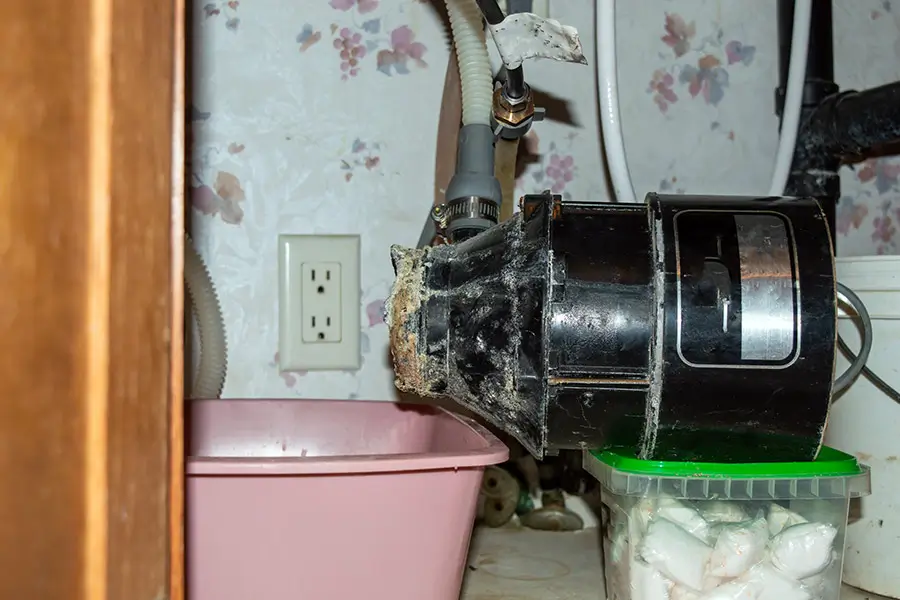
Keeping Sarasota Kitchens Running With Next Level Plumbing
If you want a simple way to decide whether something needs attention, use this: a problem that happens once and resolves is an event, a problem that happens repeatedly is a condition. Events can wait. Conditions get worse, and they get worse in the part of the system that is most expensive to reach.
Anything involving standing water in the cabinet, a motor that hums without turning, or a sink that backs up rather than draining slowly falls outside routine territory and should be looked at before the next attempt to clear it.
Next Level Plumbing handles kitchen drain and disposal work throughout Sarasota, and our technicians diagnose the whole path from the sink to the main line rather than swapping a unit and hoping. If your disposal has been giving you trouble or your kitchen sink is not draining the way it used to, contact our team today and we will find out what is actually causing it.